If you’re planning a trip to South Korea, one of the first questions you’ll face is: How do I stay connected?
A SIM card (Subscriber Identity Module) is a small chip you insert into your phone that connects you to a local mobile network. This allows you to use data, make calls, and send texts—just like you would at home, but without the sky-high roaming fees.
For international travelers, using a local Korean SIM card means:
- Faster internet access (LTE/5G)
- Cheaper data plans
- A Korean phone number (in many cases)
- Seamless app use (like Naver Map, KakaoTalk, or Papago)
If your phone is unlocked (not tied to your home carrier), inserting a Korean SIM card is usually as simple as popping out your original SIM and putting the new one in.
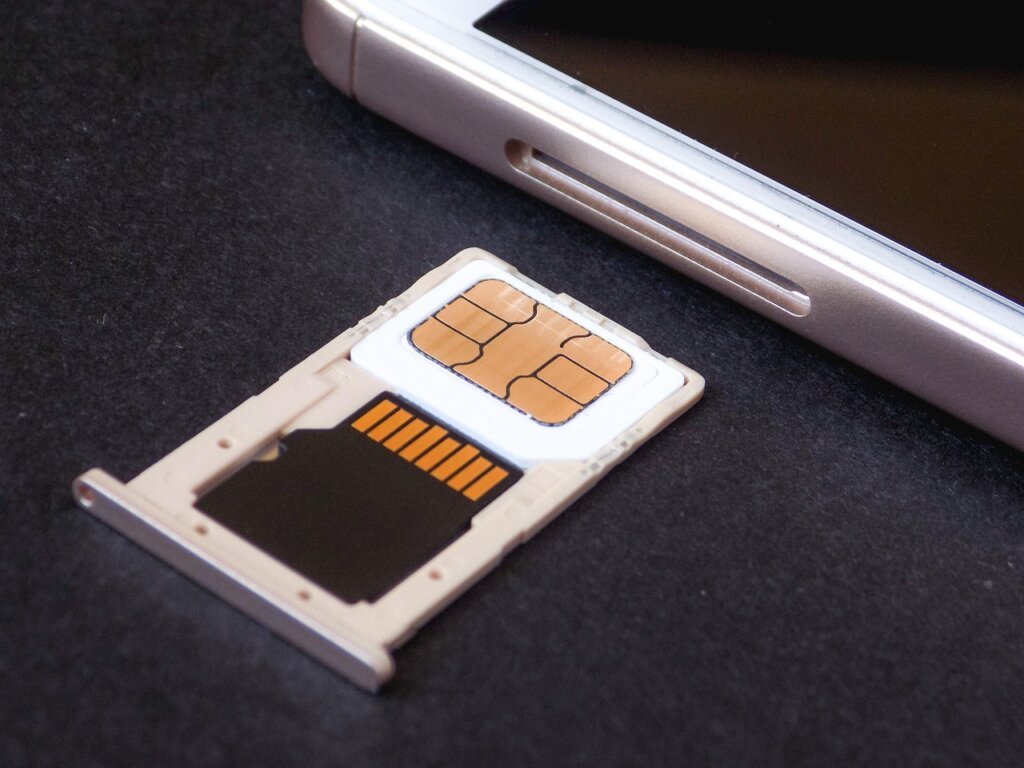
Why You’ll Need a SIM Card in Korea
South Korea is known for having some of the fastest internet in the world—but that doesn’t mean you’ll be connected everywhere automatically.
Here’s why having your own mobile data is essential in Korea:
- Subways and rural areas often lack free Wi-Fi
Especially in older lines or countryside towns, there’s little to no public Wi-Fi. - Navigation apps require real-time data
Naver Map or KakaoMap are crucial for finding your way—but they need constant internet access. - Korean services often require phone verification
Want to use a food delivery app, buy something online, or even connect to some public Wi-Fi? You’ll need a Korean number. - Roaming is expensive and unreliable
Most home country plans will charge you high rates for international roaming. A local SIM saves you a ton.
Where to Get a SIM Card in Korea
There are several places you can buy a SIM card after arriving in Korea:
1. Incheon International Airport (Recommended)
There are SIM card booths located in the Arrival Hall of Terminals 1 and 2, with signs in English.
You’ll find counters from major Korean telecom providers like SK Telecom, KT, and LG U+.
Pros:
- Convenient (get it immediately after arrival)
- Staff can help you install and activate it
- Airport SIMs often come with tourist-friendly plans (unlimited data, short validity)
Cons:
- Slightly more expensive than online options
- Long lines during peak travel times
2. Convenience Stores
Some GS25 or CU stores sell prepaid SIMs, but availability is not always guaranteed, and staff may not speak English.
3. Online Pre-Orders (with Airport Pickup)
You can order a SIM card online in advance and pick it up at the airport. This gives you better pricing and plan options.
SIM Card vs. eSIM – A Better Alternative?
While physical SIM cards are a great option, there’s an even easier and more modern way to stay connected: the eSIM.
If your phone supports eSIM (most iPhones from XS and above, and many newer Androids), you don’t need a physical card at all. You just scan a QR code or activate it directly through an app.
That’s where YESIM comes in.
Try YESIM: A Smarter Way to Stay Connected
YESIM is a trusted global eSIM provider that offers affordable data plans for travelers in Korea.
No need to line up at the airport or fumble with SIM tools at 2 AM after a long flight.
Benefits of YESIM:
- Activate before arrival
- Multiple data plans, depending on your needs (3GB to unlimited)
- No physical pickup—purely digital
- Use alongside your regular SIM if your phone supports dual SIM
I personally recommend YESIM if you want a hassle-free arrival experience in Korea.
You can check out their Korea plans here:
Get Your Korea eSIM Now with YESIM
Tips for Using a SIM or eSIM in Korea
- Check if your phone is unlocked before purchasing any SIM or eSIM
- Download the necessary apps (YESIM, Naver Map, KakaoTalk) before arriving
- If using an eSIM, activate it while connected to Wi-Fi, ideally before landing
- Bring a SIM pin or use a paperclip if you’re installing a physical SIM
Final Thoughts: My Own Travel Tip
During my first few months back in Korea, I honestly underestimated how much I’d rely on mobile data.
From finding the right bus stop in a maze of city streets to translating snack labels at a convenience store, my SIM card became my lifeline.
That’s why I always tell my friends or readers:
“Staying connected isn’t just about convenience—it’s about confidence.”
Whether you choose a traditional SIM or go digital with YESIM, the peace of mind it brings is worth every penny.
Ready to Travel Smart?
Don’t wait until you land.
Plan ahead, stay connected, and enjoy every moment of your Korea trip with fewer hiccups.
Check out YESIM’s eSIM Plans for Korea – and travel light, fast, and free.